


-

Add: HeBei ShengShi HongBang Cellulose Technology CO.,LTD.
-

Email
13180486930@163.com -

CONTACT US
+86 13180486930

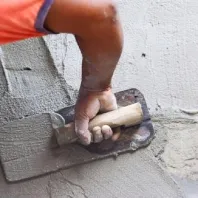


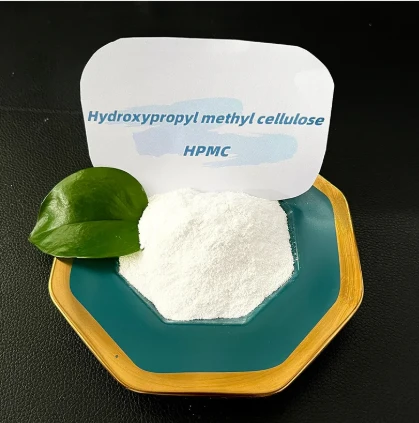
Hydroxypropyl methylcellulose (HPMC), also known as hypromellose, is a versatile compound used in various industries due to its valuable properties. With a unique blend of stabilizing, thickening, and film-forming abilities, it stands out especially in the pharmaceutical, food, and construction sectors. Understanding its features, applications, and benefits can offer a deeper insight into why HPMC is a crucial component in many formulations today. One of the distinguishing qualities of HPMC is its origin. Derived from cellulose, a natural polymer, it combines nature's reliability with chemical innovation. Through a process of etherification, cellulose undergoes transformation, enhancing its solubility and thermal stability—key factors contributing to its widespread usage. Because it is non-toxic, biodegradable, and shows excellent compatibility with a wide range of substances, it is esteemed for its safety profile, ensuring trust and reliability in its applications. In the pharmaceutical realm, HPMC plays a pivotal role as an excipient. It is commonly used as a binder in tablets, where it helps in sustaining the release of active ingredients, making medications more effective over longer periods. Its use in ophthalmic solutions is another notable example, where HPMC acts as a lubricant, providing relief from dry eyes. This versatility demonstrates its therapeutic potential, enhancing the efficiency and efficacy of pharmaceutical preparations. The food industry also capitalizes on the remarkable characteristics of HPMC. It acts as a thickener, stabilizer, and emulsifier in various food products, from sauces and dressings to baked goods and dairy items. Its ability to maintain moisture and improve texture without altering the taste makes it invaluable, contributing both to product consistency and consumer satisfaction. what is hydroxypropyl methyl cellulose Further endorsing its multi-industry prevalence is HPMC's role in construction. Here, it is integral to the formulation of many modern building materials. Used in cement renders, gypsum products, and tile adhesives, HPMC improves workability and adhesion while reducing water retention. These properties enhance the durability and longevity of construction applications, confirming its importance in structural integrity. Moreover, the resilience of HPMC in varying temperatures—retaining its properties from freezing to boiling points—adds to its adaptability and reliability in different environmental conditions. As global standards call for more environmentally friendly and efficient materials, HPMC aligns perfectly with these needs. As a biodegradable substance, it provides an environmentally conscious option for companies seeking sustainable solutions, further cementing its status as a preferred choice in manufacturing. In conclusion, hydroxypropyl methylcellulose is more than a mere chemical entity; it embodies the intersection of safety , efficacy, and functionality. Whether utilized in pharmaceuticals, food products, or construction, HPMC stands as a testament to innovation in material science. Its integration into various sectors underscores its necessity and versatility, making it an irreplaceable ingredient in modern industry applications. As industries continue to evolve, the reliance on materials like HPMC that deliver consistent quality while adhering to safety and environmental protocols will undoubtedly increase, paving the way for future advancements.
- 40000tons

Production
- 20+years

Experience
- 5000+㎡

Acreage

-
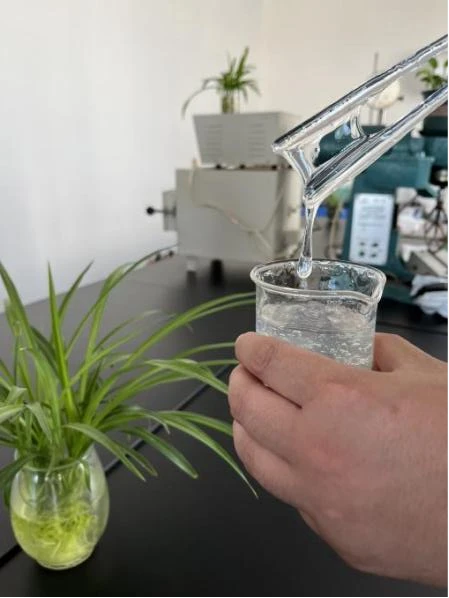
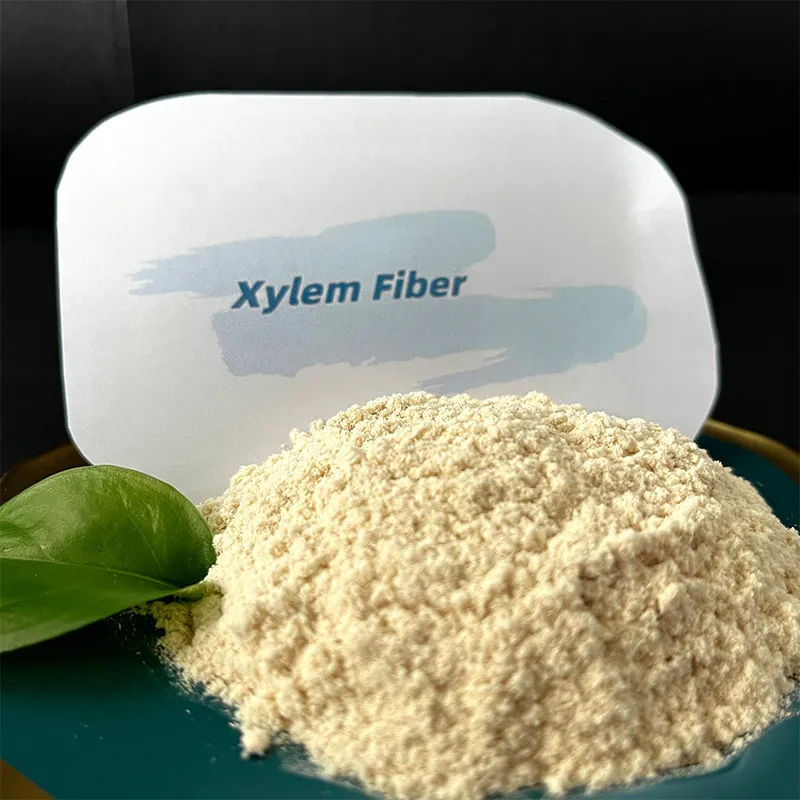
In the pursuit of sustainable and renewable materials, few substances hold as much promise as fibre made from wood pulp . As the world turns away from petroleum-based synthetics like polyester, more attention is being given to bio-based alternatives that are not only environmentally friendly but also high-performing. Among these alternatives, cellulose-based fibers derived from wood pulp stand out for their biodegradability, comfort, and versatility. These fibers are already widely used in textiles, hygiene products, packaging, and even medical applications. But what exactly is fibre made from wood pulp ? How is it connected to cellulose wood pulp ? And what does the extraction of cellulose from wood involve? This article explores the answers to these questions and highlights the significance of cellulose in shaping a greener future. Is Cellulose Wood Pulp? Understanding the Relationship A common question in the bio-materials industry is whether cellulose is wood pulp . The short answer is: not exactly, but they are intimately related. Cellulose is a natural polymer and the main structural component of plant cell walls. In trees, cellulose fibers are bundled with other components such as lignin and hemicellulose. To access cellulose in a usable form, it must be separated from these other substances. Wood pulp refers to the raw, fibrous material produced by mechanically or chemically breaking down wood. It contains a high percentage of cellulose, typically between 40% and 60%, depending on the type of wood and the processing method. Therefore, cellulose is not the same as wood pulp , but wood pulp is a major source of cellulose . Purified wood pulp, especially after the removal of lignin and other impurities, is often referred to as cellulose pulp or dissolving pulp when destined for fiber production. This purified cellulose can then be transformed into regenerated fibers like viscose, lyocell, or modal, which are used in the textile industry. Fibre Made from Wood Pulp: A Renewable Textile Revolution The use of fibre made from wood pulp in textiles is nothing new, but recent advances in green chemistry and growing concerns over environmental sustainability have given these fibers renewed attention. Common regenerated cellulose fibers such as rayon , viscose , lyocell , and modal are all examples of wood-based fibers created through various processing techniques. These fibers offer numerous benefits. They are soft to the touch, highly breathable, and moisture-absorbent, making them ideal for clothing, home textiles, and hygiene products. Unlike synthetic fibers, they are also biodegradable, returning to nature at the end of their life cycle without releasing harmful microplastics. Modern technologies, particularly the closed-loop process used to produce lyocell, have further enhanced the eco-friendliness of these fibers. These methods reduce chemical waste, improve worker safety, and minimize water and energy consumption during manufacturing. As a result, fibre made from wood pulp is now regarded as one of the most sustainable choices for eco-conscious brands and consumers. Extraction of Cellulose from Wood: From Tree to Textile The extraction of cellulose from wood is a sophisticated process that involves several stages. The objective is to isolate cellulose from the other components in wood, mainly lignin and hemicellulose. Depending on the end use of the cellulose—paper, textiles, food additives, or pharmaceuticals—the level of purity required can vary. The most common methods for extracting cellulose include: Mechanical pulping , where wood chips are ground to release the fibers. This process retains much of the lignin and is mainly used in paper production where high whiteness is not necessary. Chemical pulping , particularly the kraft and sulfite processes, involves treating wood chips with chemicals that dissolve lignin and hemicellulose, leaving behind cellulose fibers. The result is a stronger and more chemically pure pulp. Bleaching and purification , which further remove residual lignin and other impurities to produce high-purity cellulose pulp . This purified pulp is ideal for textile fiber production or specialty applications. In the case of producing viscose or lyocell, the purified pulp is dissolved in specific solvents. For example, in the lyocell process, the cellulose is dissolved in N-methylmorpholine N-oxide (NMMO) , a non-toxic, recyclable solvent. The resulting solution is extruded through spinnerets to form continuous fibers that can be spun into yarn and woven into fabric. This method of extracting and converting cellulose into fiber exemplifies how fibre made from wood pulp transitions from a forest resource into a high-performance material suitable for modern textiles. Applications of Cellulose Wood Pulp Beyond Textiles Although fibre made from wood pulp is predominantly used in textiles, the applications of cellulose wood pulp extend far beyond fashion. In the food industry, cellulose is used as a thickener and stabilizer in processed foods, while in the pharmaceutical sector, it serves as a binder and filler in tablets. Cellulose derivatives, such as carboxymethyl cellulose (CMC) and hydroxypropyl methylcellulose (HPMC) , are vital in creating biodegradable films, capsules, and coatings. In the world of packaging, cellulose pulp is being harnessed to create compostable alternatives to plastic. Films made from regenerated cellulose are already being used in food packaging due to their transparency, strength, and biodegradability. As global regulations tighten around single-use plastics, cellulose-based packaging is positioned to become a game-changer. Construction and insulation industries are also exploring the use of cellulose fibers for thermal and acoustic insulation. These fibers are lightweight, non-toxic, and derived from renewable sources, aligning perfectly with green building principles. The adaptability of cellulose wood pulp across industries reinforces its role as one of the most valuable and sustainable raw materials available today. The Environmental Impact of Using Fibre from Wood Pulp One of the primary drivers behind the shift toward fibre made from wood pulp is its reduced environmental footprint compared to synthetic alternatives. Synthetic fibers like polyester are derived from fossil fuels and contribute significantly to greenhouse gas emissions and microplastic pollution. In contrast, cellulose fibers originate from renewable forests and can biodegrade naturally at the end of their use. Moreover, responsible forestry practices and certification systems such as FSC (Forest Stewardship Council) and PEFC (Programme for the Endorsement of Forest Certification) ensure that the wood used to make pulp is harvested sustainably, preserving biodiversity and protecting ecosystems. Innovations in closed-loop production, particularly in lyocell manufacturing, have drastically reduced chemical usage and wastewater output. These advancements demonstrate that fibre made from wood pulp not only performs well but also aligns with principles of environmental stewardship and circular economy. Xylem Fiber FAQs Is cellulose wood pulp the same as fibre? Not exactly. Cellulose is the primary component of wood pulp , and fiber can be made from cellulose after it is extracted and processed. While wood pulp is the raw material, fiber is the finished or intermediate product that can be spun into textiles. What types of fiber are made from wood pulp? Common fibers made from wood pulp include viscose , rayon , modal , and lyocell . These are all examples of regenerated cellulose fibers used in clothing, home textiles, and hygiene products. How is cellulose extracted from wood? Cellulose is extracted through mechanical or chemical pulping, followed by bleaching and purification to remove lignin and hemicellulose. The resulting purified cellulose is then ready for use in textile production or other industries. Is fibre made from wood pulp biodegradable? Yes, fibers derived from wood pulp are biodegradable. They decompose naturally in soil or composting environments, unlike synthetic fibers that persist as microplastics in the environment for decades. Why is fibre made from wood pulp considered sustainable? Fibre from wood pulp is derived from renewable sources and can be manufactured using environmentally responsible processes. It is biodegradable, has a lower carbon footprint than synthetic fibers, and supports the global shift toward sustainable materials.
-
When we think of wood, we often focus on its structural properties, such as strength and durability. But did you know that much of that strength comes from its composition, specifically cellulose? Cellulose made from wood is the key material that allows wood to hold its form and function effectively in countless applications. Understanding its components— cellulose , hemicellulose , and lignin —helps to explain the unique properties of wood that make it an essential resource for industries ranging from construction to manufacturing. Fibre Made from Wood Pulp Wood pulp, a primary source of cellulose , is the base material used in the production of many everyday products, including paper, textiles, and construction materials. Fibre made from wood pulp is rich in cellulose, which is extracted from the wood through various chemical and mechanical processes. This fibre, once processed, has diverse applications in industries such as packaging, paper-making, and even the production of insulation materials for buildings. The purity and strength of cellulose from wood make it a critical material in the manufacturing of fibreboard, composite wood panels, and other building materials used in construction. Wood pulp fibre is processed using various methods, including chemical pulping or mechanical grinding. This process removes the non-cellulose components of wood, such as lignin and hemicellulose, which are less useful in certain applications. The resulting cellulose fibres can be refined and used to create products with enhanced durability, ideal for use in the construction industry. The strength, stability, and biodegradability of wood pulp fibres make them an environmentally sustainable choice for manufacturers looking for natural materials in their production processes. Cellulose, Hemicellulose, and Lignin in Wood Wood is composed of three main components: cellulose , hemicellulose , and lignin . Understanding these components is key to unlocking the potential of wood in construction and manufacturing. Cellulose is the most abundant organic polymer in nature, providing strength and rigidity to the cell walls of plants. It is the primary component used in the creation of fibre and pulp for products such as paper and insulation. Hemicellulose is another important polysaccharide found in wood. It acts as a binding agent that holds cellulose fibres together. Although it’s not as structurally strong as cellulose, it plays a critical role in the overall integrity of the wood. In construction, hemicellulose can be broken down and processed to create biofuels or other valuable materials. Lignin , on the other hand, is a complex polymer that gives wood its hardness and resistance to decay. It acts like glue that holds the cellulose fibres together, giving the wood its rigidity and strength. In the construction industry, lignin is valuable for its ability to withstand weathering and physical wear, making it an essential component of high-quality timber. Together, these three components— cellulose , hemicellulose , and lignin —create the natural strength and versatility that makes wood such an important material for a variety of applications. Cellulose Wood Putty Another interesting application of cellulose from wood is in the production of cellulose wood putty . This product, used in construction and home improvement, is a type of filler used to repair and smooth wood surfaces. Cellulose wood putty is made by processing cellulose into a fine, putty-like consistency that can fill in cracks, holes, and imperfections in wooden structures. Its primary advantage is its ability to bond well with wood, providing a seamless repair that blends naturally with the surrounding material. Unlike traditional putties, which may rely on synthetic polymers or resins, cellulose wood putty is made from natural materials, making it an eco-friendly choice for homeowners and builders alike. It is particularly useful in restoring old furniture, wooden floors, or construction beams, where maintaining the wood’s natural appearance and texture is essential. The cellulose wood putty hardens over time, creating a durable and long-lasting repair. The versatility of cellulose in various forms, from raw pulp to putty, showcases the remarkable adaptability of this material in the construction and woodworking industries. The Versatility of Cellulose in Construction The uses of cellulose made from wood extend far beyond just fibre and putty. In the construction industry, cellulose is increasingly being used in the creation of sustainable building materials. From insulation to composite boards, cellulose is known for its insulating properties, helping to reduce energy consumption in buildings. Cellulose insulation is a popular choice for eco-conscious builders, as it is made from recycled paper products and wood fibres, offering a natural alternative to foam or fiberglass insulation. Additionally, the growing trend of sustainable construction has led to the development of cellulose-based biocomposites , which combine cellulose with other materials like bioplastics to create eco-friendly alternatives to traditional building materials. These materials are not only strong but also lightweight, reducing the overall energy footprint of construction projects. Applications of Cellulose in the Modern Building Industry In the modern building industry, cellulose from wood plays a significant role in improving the sustainability and performance of construction materials. From providing insulation to enhancing the structural integrity of wooden beams and panels, cellulose has a wide range of applications in both residential and commercial construction. Wood-based cellulose products offer an environmentally responsible alternative to petroleum-based materials, helping to reduce the environmental impact of construction projects. Builders and architects are increasingly incorporating cellulose wood putty , wood pulp fibre , and other cellulose-based products into their designs. The material’s renewable nature, biodegradability, and strength make it ideal for use in everything from floors and walls to roofs and insulation. As the demand for sustainable construction grows, the use of cellulose made from wood will continue to expand, offering innovative solutions that benefit both builders and the environment. Cellulose FAQs What is cellulose made of in wood? Cellulose is a natural polymer made of long chains of glucose molecules. It is the primary structural component of plant cell walls and is responsible for the rigidity and strength of wood. How is cellulose used in the construction industry? In construction, cellulose is used in insulation, composite materials, and cellulose wood putty . It helps improve the sustainability and energy efficiency of buildings by providing natural insulation and repair materials. What is cellulose wood putty? Cellulose wood putty is a natural, eco-friendly filler made from cellulose . It is used to fill holes, cracks, and imperfections in wooden surfaces, providing a seamless and durable repair. Can cellulose be used for insulation? Yes, cellulose is commonly used as an insulation material in homes and commercial buildings. It is made from recycled paper and wood fibres, offering a sustainable and effective alternative to synthetic insulation. Why is cellulose considered eco-friendly? Cellulose is a renewable resource that comes from wood and plants. It is biodegradable, making it an environmentally friendly option for a variety of products, including construction materials, insulation, and putties. Invest in high-quality cellulose wood products today for sustainable building solutions that offer strength, durability, and eco-friendly benefits. Visit our website to explore our wide range of cellulose-based materials, from cellulose wood putty to wood pulp fibre , and discover how they can enhance your next project.
advantages
-

200000 Viscosities
Excellent product
We can produce pure products up to 200,000 viscosities
-

40000 tons
High yield
We don’t stop production all year round, and the annual output can reach 40,000 tons
-

24 hours
Quality service
We provide 24-hours online reception service, welcome to consult at any time
———— Inquiry Form
Schedule A services

-
 glass_reinforced_polypropylene
Oct . 25, 2025
Hydroxypropyl methylcellulose (HPMC) has been a prominent player in the world of construction and ph -
 fournisseur_d_hydroxypropylmethylcellulose
Oct . 25, 2025
In the world of pharmaceuticals and nutraceuticals, excipients play an essential role in the formula -
 difference_between_hpmc_k4m_and_k100m
Oct . 25, 2025
The Cost of Polypropylene Fiber An Overview Polypropylene fiber, derived from the polymerization of


